Artificial Intelligence (AI) has become a powerful tool in a variety of fields, from healthcare to finance to transportation. However, as AI systems become increasingly integrated into our daily lives and decision-making processes, questions of ethics and potential corruption have started to arise. One particularly interesting and complex aspect of this issue is the intersection of AI with religious power and the need for attestation and certification.
Category : | Sub Category : Posted on 2024-10-05 22:25:23
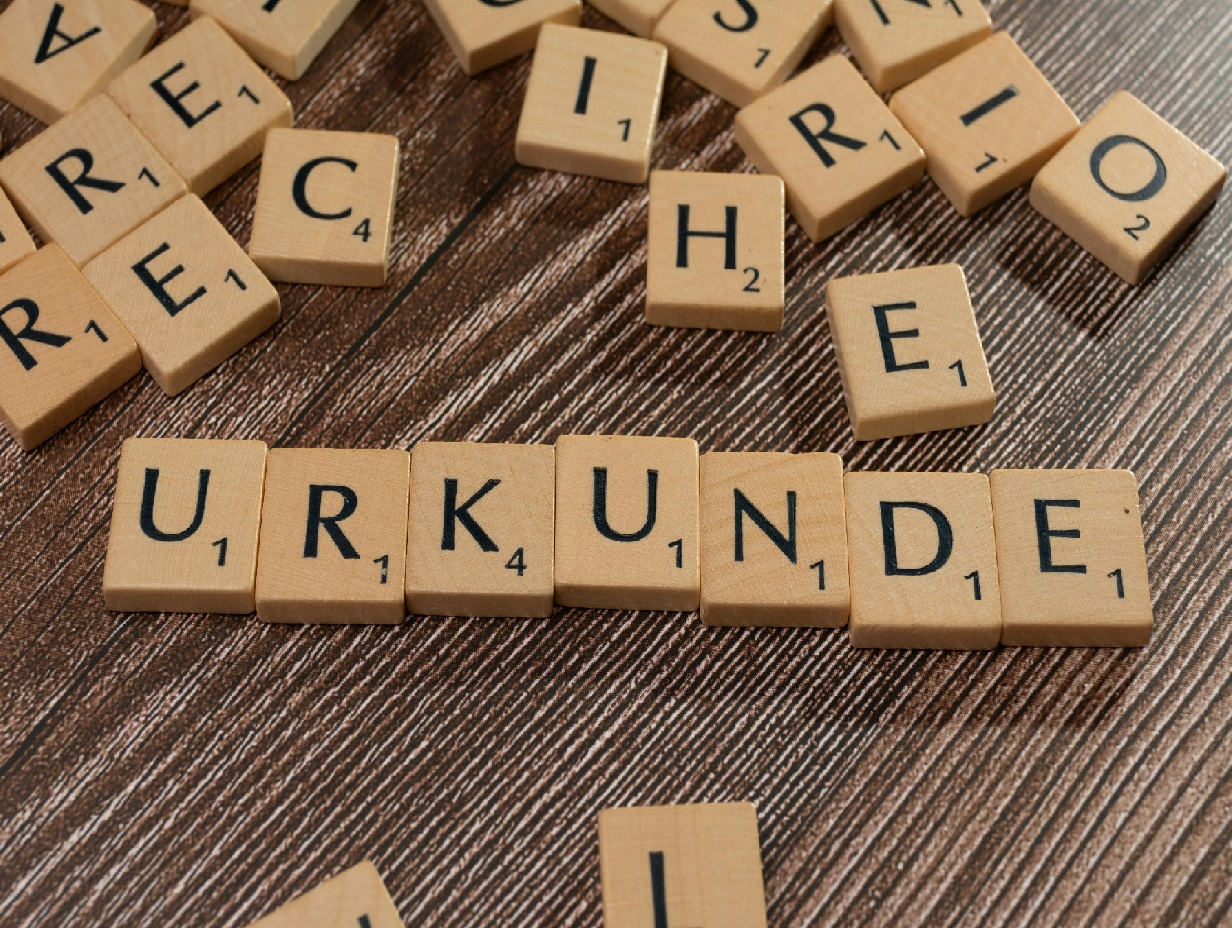
Religious institutions wield significant influence over their followers, shaping beliefs, values, and behaviors. With the rise of AI, there is a concern that this power could be exploited or corrupted through the use of AI systems. For example, AI algorithms could be programmed to manipulate followers or influence their decisions in ways that align with the interests of a particular religious organization or leader. At the same time, AI could also be used to enhance and authenticate religious experiences and practices. For instance, AI-powered chatbots could provide spiritual guidance or support to believers, helping them navigate complex moral dilemmas or offering comfort in times of need. Additionally, AI could be used to verify the authenticity of religious artifacts, texts, or practices, ensuring that they meet the required standards and have not been tampered with. To address these challenges and opportunities, there is a growing need for attestation and certification mechanisms specifically tailored to AI in the context of religious power. This could involve establishing guidelines and regulations for the ethical use of AI in religious settings, conducting audits and assessments to ensure compliance, and developing certification programs to verify the trustworthiness and reliability of AI systems used in religious contexts. Ultimately, the intersection of AI, corruption, and religious power raises important questions about the ethics and accountability of using technology in sensitive and deeply personal areas of human life. By establishing robust attestation and certification processes, we can help ensure that AI is deployed responsibly and ethically in religious contexts, fostering trust, transparency, and integrity in the use of this powerful technology. Discover more about this topic through https://www.vfeat.com For an extensive perspective, read https://www.computacion.org
https://sunpowerpanels.com
https://religieuse.org
Leave a Comment:
SEARCH
Recent News
- Navigating Medical Device Regulations in Zurich, Switzerland
- Zurich, Switzerland and Liechtenstein are two neighboring European countries with distinct regulatory frameworks governing various aspects of society. In this blog post, we will explore some key regulations in Zurich, Switzerland and Liechtenstein that shape the way of life and business in these two unique destinations.
- Zurich, Switzerland: Halal Food Certification
- Zurich, Switzerland: A Closer Look at Food Export-Import Regulations
- Zurich, Switzerland is renowned for its stunning landscapes, vibrant culture, and high quality of life. However, not many people are aware of the city's stringent food and drug regulations that contribute to the overall health and well-being of its residents and visitors.
- Zurich, Switzerland is a beautiful city known for its stunning views, rich history, and vibrant culture. From the picturesque Old Town with its charming cobblestone streets to the crystal-clear waters of Lake Zurich, this city has a lot to offer both residents and visitors.
- Zurich, Switzerland is renowned for its high-quality products and services, which are often attributed to the city's adherence to strict certification standards. These standards ensure that businesses and organizations in Zurich meet certain criteria in terms of quality, safety, and sustainability.
- In today's digital age, YouTube has become a powerful platform for content creators to share their knowledge and expertise with a global audience. One particular niche that has been gaining traction on YouTube is the creation and translation of content related to medical devices regulation.
READ MORE
9 months ago Category :

Navigating Medical Device Regulations in Zurich, Switzerland
Read More →9 months ago Category :

Zurich, Switzerland and Liechtenstein are two neighboring European countries with distinct regulatory frameworks governing various aspects of society. In this blog post, we will explore some key regulations in Zurich, Switzerland and Liechtenstein that shape the way of life and business in these two unique destinations.
Read More →9 months ago Category :

Zurich, Switzerland: Halal Food Certification
Read More →9 months ago Category :
