Certainly! Here is a blog post on "Assets and Money Transfer: Netherlands Attestation and Certification":
Category : | Sub Category : Posted on 2024-10-05 22:25:23
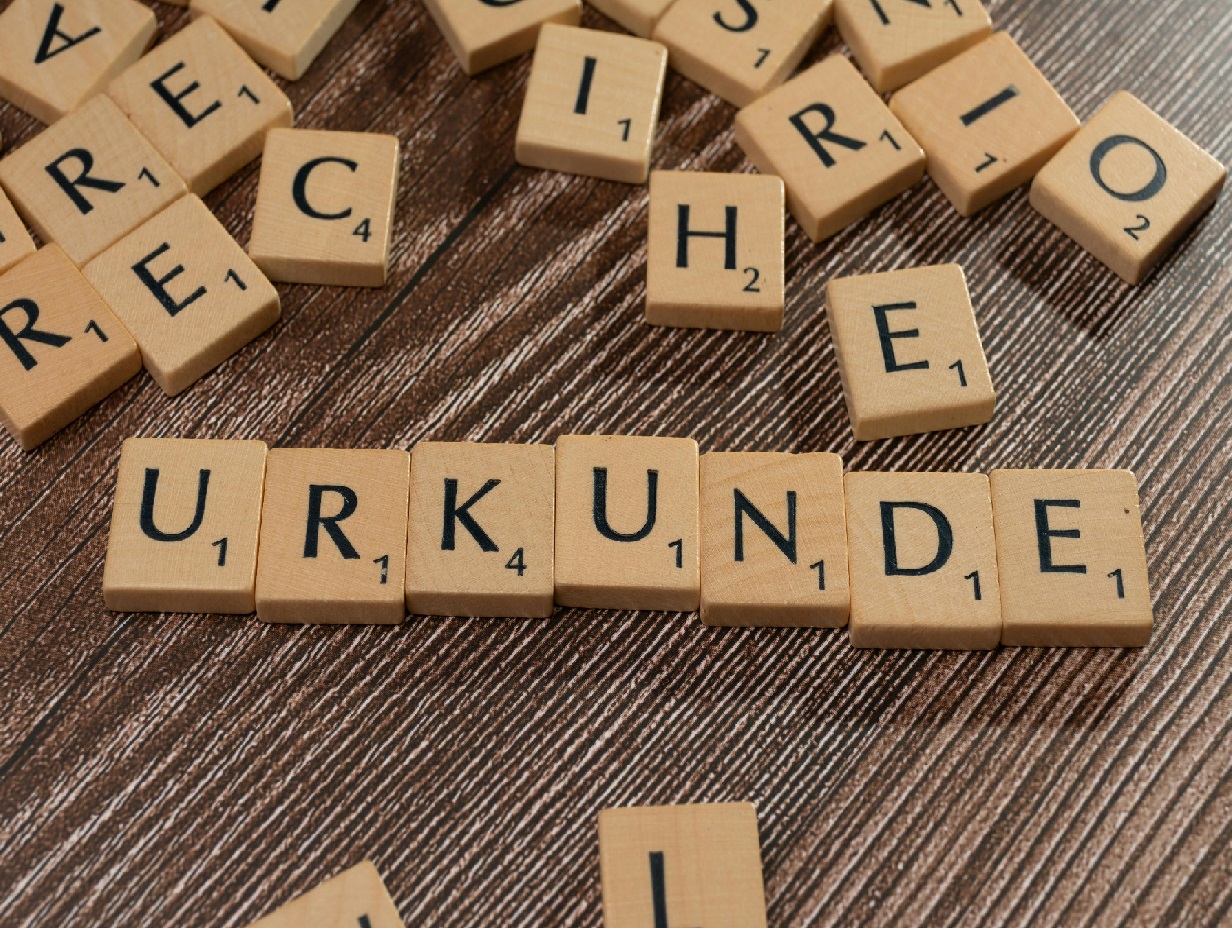
Navigating the global financial landscape can be a complex task, especially when it involves transferring assets and money across international borders. In the Netherlands, the process of attestation and certification plays a crucial role in ensuring the legitimacy and security of such transactions. Attestation and certification are important mechanisms that help verify the authenticity and legality of documents related to asset transfers and monetary transactions. These processes involve obtaining official validation from authorized parties to confirm the accuracy of information presented. When transferring assets or money in the Netherlands, certain documents may require attestation and certification to meet regulatory requirements and ensure compliance with relevant laws. This may include deeds, contracts, financial statements, and other relevant paperwork. In the context of asset transfer, attestation and certification help establish the ownership of assets, providing assurance to all parties involved in the transaction. This is particularly important in cross-border transactions, where multiple jurisdictions and legal systems may be involved. For money transfers, attestation and certification of relevant documents help prevent money laundering, fraud, and other financial crimes. By ensuring that the information provided is accurate and authentic, these processes contribute to a more transparent and secure financial environment. In the Netherlands, attestation and certification services are typically offered by notaries, government agencies, and other authorized entities. These professionals play a key role in verifying the legitimacy of documents and providing the necessary official validation for asset transfers and money transactions. Overall, attestation and certification are essential components of the asset transfer and money transfer processes in the Netherlands. By obtaining official validation for relevant documents, individuals and businesses can facilitate smoother and more secure transactions, while also complying with legal requirements and regulatory standards.
Leave a Comment:
SEARCH
Recent News
- Navigating Medical Device Regulations in Zurich, Switzerland
- Zurich, Switzerland and Liechtenstein are two neighboring European countries with distinct regulatory frameworks governing various aspects of society. In this blog post, we will explore some key regulations in Zurich, Switzerland and Liechtenstein that shape the way of life and business in these two unique destinations.
- Zurich, Switzerland: Halal Food Certification
- Zurich, Switzerland: A Closer Look at Food Export-Import Regulations
- Zurich, Switzerland is renowned for its stunning landscapes, vibrant culture, and high quality of life. However, not many people are aware of the city's stringent food and drug regulations that contribute to the overall health and well-being of its residents and visitors.
- Zurich, Switzerland is a beautiful city known for its stunning views, rich history, and vibrant culture. From the picturesque Old Town with its charming cobblestone streets to the crystal-clear waters of Lake Zurich, this city has a lot to offer both residents and visitors.
- Zurich, Switzerland is renowned for its high-quality products and services, which are often attributed to the city's adherence to strict certification standards. These standards ensure that businesses and organizations in Zurich meet certain criteria in terms of quality, safety, and sustainability.
- In today's digital age, YouTube has become a powerful platform for content creators to share their knowledge and expertise with a global audience. One particular niche that has been gaining traction on YouTube is the creation and translation of content related to medical devices regulation.
READ MORE
9 months ago Category :

Navigating Medical Device Regulations in Zurich, Switzerland
Read More →9 months ago Category :

Zurich, Switzerland and Liechtenstein are two neighboring European countries with distinct regulatory frameworks governing various aspects of society. In this blog post, we will explore some key regulations in Zurich, Switzerland and Liechtenstein that shape the way of life and business in these two unique destinations.
Read More →9 months ago Category :

Zurich, Switzerland: Halal Food Certification
Read More →9 months ago Category :
