Navigating Attestation and Certification Differences Between Warsaw, Poland and Copenhagen, Denmark
Category : | Sub Category : Posted on 2024-10-05 22:25:23
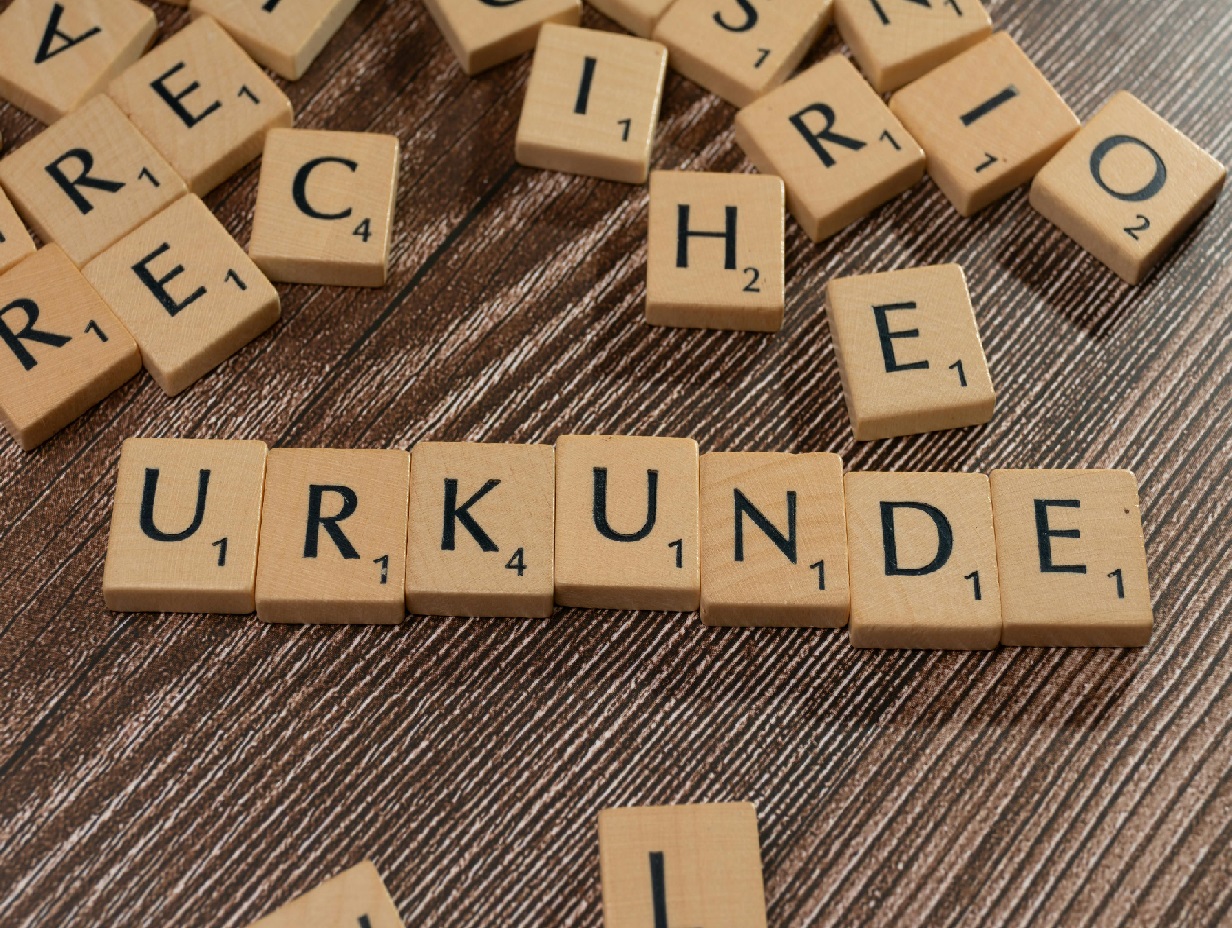
When it comes to doing business internationally, understanding the requirements for attestation and certification in different countries is vital. Warsaw, Poland, and Copenhagen, Denmark, are two European cities that have their own unique processes and regulations for attestation and certification. Let's take a closer look at the differences between these two countries when it comes to document authentication. In Warsaw, Poland, the process of attestation and certification is known as "legalization." Legalization is the official confirmation of the authenticity of a document and its compliance with the laws of the country. In Poland, documents that need to be authenticated are usually submitted to the Ministry of Foreign Affairs or the relevant consulate or embassy. Once the document is authenticated, it can be used for official purposes in Poland. On the other hand, in Copenhagen, Denmark, the process of attestation and certification is known as "apostille." An apostille is a certificate that verifies the authenticity of a document and is recognized by countries that are parties to the Hague Apostille Convention. In Denmark, documents that need to be authenticated for use abroad are usually submitted to the Ministry of Foreign Affairs, which then issues the apostille. One key difference between the two processes is the recognition of the apostille. Documents that have been apostilled in Denmark are recognized in countries that are parties to the Hague Apostille Convention, without the need for further legalization. On the other hand, documents that have been legalized in Poland may still require further authentication in some countries. Another difference is the language requirements for documents. In Poland, documents that are to be legalized must be in Polish or translated into Polish by a certified translator. In Denmark, documents that are to be apostilled can be in Danish, English, or another language, as long as a translation is provided if necessary. It is important for businesses and individuals operating in both Warsaw, Poland, and Copenhagen, Denmark, to be aware of the differences in the attestation and certification processes in order to ensure that their documents are recognized and accepted in both countries. By understanding the requirements and procedures for legalization and apostille, they can navigate the complexities of international document authentication with ease. In conclusion, while Warsaw, Poland, and Copenhagen, Denmark, may have different processes for attestation and certification, both provide mechanisms to ensure the authenticity and validity of documents for international use. By being informed and prepared, businesses and individuals can streamline the process of document authentication and conduct their affairs smoothly across borders.
Leave a Comment:
SEARCH
Recent News
- Navigating Medical Device Regulations in Zurich, Switzerland
- Zurich, Switzerland and Liechtenstein are two neighboring European countries with distinct regulatory frameworks governing various aspects of society. In this blog post, we will explore some key regulations in Zurich, Switzerland and Liechtenstein that shape the way of life and business in these two unique destinations.
- Zurich, Switzerland: Halal Food Certification
- Zurich, Switzerland: A Closer Look at Food Export-Import Regulations
- Zurich, Switzerland is renowned for its stunning landscapes, vibrant culture, and high quality of life. However, not many people are aware of the city's stringent food and drug regulations that contribute to the overall health and well-being of its residents and visitors.
- Zurich, Switzerland is a beautiful city known for its stunning views, rich history, and vibrant culture. From the picturesque Old Town with its charming cobblestone streets to the crystal-clear waters of Lake Zurich, this city has a lot to offer both residents and visitors.
- Zurich, Switzerland is renowned for its high-quality products and services, which are often attributed to the city's adherence to strict certification standards. These standards ensure that businesses and organizations in Zurich meet certain criteria in terms of quality, safety, and sustainability.
- In today's digital age, YouTube has become a powerful platform for content creators to share their knowledge and expertise with a global audience. One particular niche that has been gaining traction on YouTube is the creation and translation of content related to medical devices regulation.
READ MORE
9 months ago Category :

Navigating Medical Device Regulations in Zurich, Switzerland
Read More →9 months ago Category :

Zurich, Switzerland and Liechtenstein are two neighboring European countries with distinct regulatory frameworks governing various aspects of society. In this blog post, we will explore some key regulations in Zurich, Switzerland and Liechtenstein that shape the way of life and business in these two unique destinations.
Read More →9 months ago Category :

Zurich, Switzerland: Halal Food Certification
Read More →9 months ago Category :
