Navigating Attestation and Certification Processes in Warsaw, Poland and Latvia
Category : | Sub Category : Posted on 2024-10-05 22:25:23
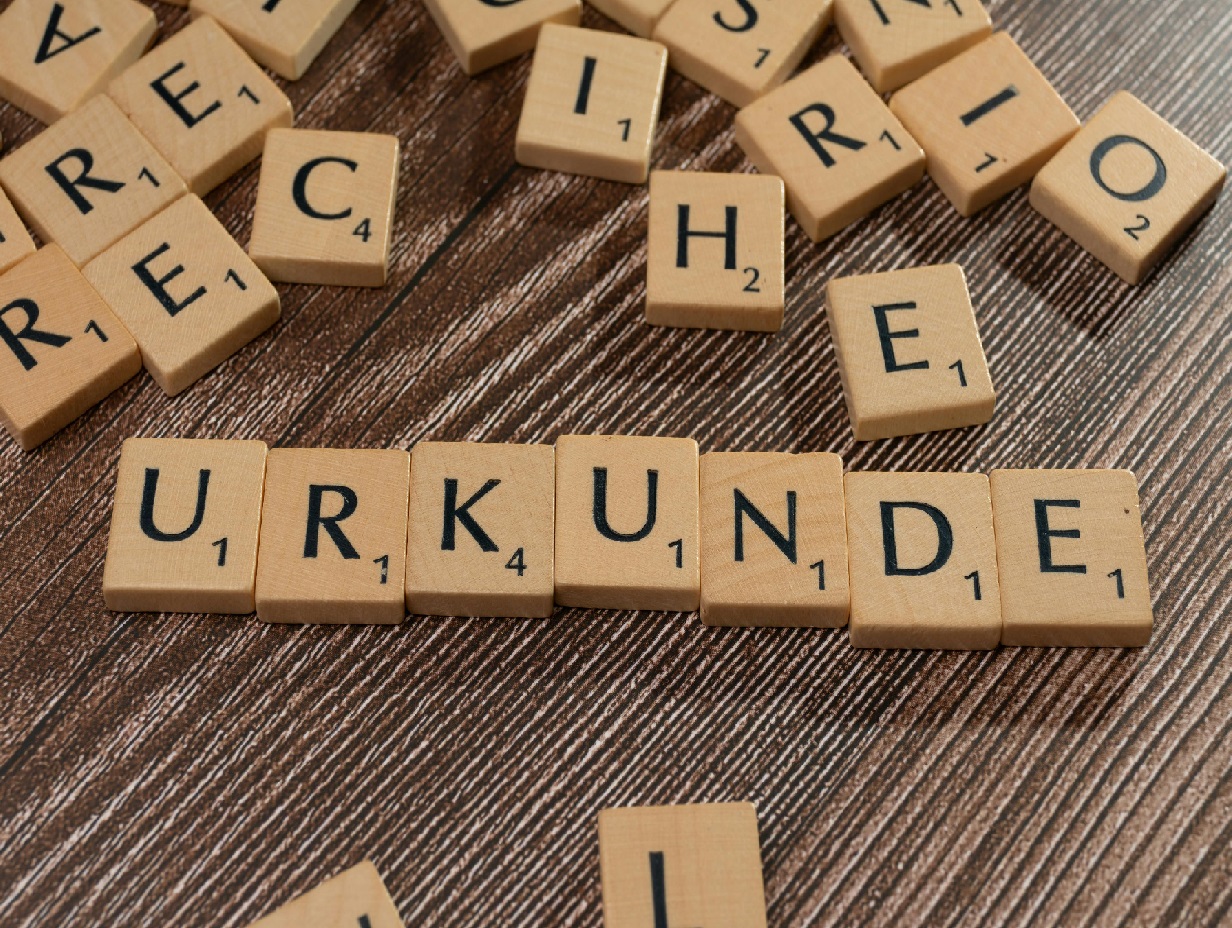
When it comes to conducting business in international markets, having the right certifications and attestations in place is crucial. In this blog post, we will explore the attestation and certification processes in two vibrant European countries - Warsaw, Poland, and Latvia. Warsaw, Poland: In Poland, attestation and certification processes are overseen by various government agencies to ensure compliance with quality standards and regulations. Companies looking to operate in Warsaw should be aware of the following key points: 1. Quality Management Systems Certification: Obtaining ISO 9001 certification is essential for demonstrating that a company has a robust quality management system in place. This certification is widely recognized in Warsaw and can enhance a company's credibility in the market. 2. Product Certification: Depending on the industry, companies may need to obtain specific product certifications to demonstrate compliance with industry standards and regulations. For example, companies in the food and beverage sector may need to obtain HACCP certification. Latvia: In Latvia, the attestation and certification processes are similarly important for businesses looking to establish a presence in the country. Here are some key aspects to consider: 1. CE Marking: Companies exporting products to Latvia must ensure that their products bear the CE marking, indicating compliance with European Union regulations. This marking is mandatory for a wide range of products sold in the European Economic Area. 2. Latvian Accreditation: Companies seeking certification in Latvia should ensure that the certifying body is accredited by the Latvian National Accreditation Bureau. This accreditation is crucial for ensuring that the certification is recognized by regulatory authorities in Latvia. Navigating the attestation and certification processes in Warsaw, Poland, and Latvia can be complex, but with the right knowledge and guidance, companies can ensure compliance and establish a strong presence in these markets. By obtaining the necessary certifications and attestations, businesses can build trust with customers and stakeholders and pave the way for sustainable growth and success in these dynamic European countries.
Leave a Comment:
SEARCH
Recent News
- Navigating Medical Device Regulations in Zurich, Switzerland
- Zurich, Switzerland and Liechtenstein are two neighboring European countries with distinct regulatory frameworks governing various aspects of society. In this blog post, we will explore some key regulations in Zurich, Switzerland and Liechtenstein that shape the way of life and business in these two unique destinations.
- Zurich, Switzerland: Halal Food Certification
- Zurich, Switzerland: A Closer Look at Food Export-Import Regulations
- Zurich, Switzerland is renowned for its stunning landscapes, vibrant culture, and high quality of life. However, not many people are aware of the city's stringent food and drug regulations that contribute to the overall health and well-being of its residents and visitors.
- Zurich, Switzerland is a beautiful city known for its stunning views, rich history, and vibrant culture. From the picturesque Old Town with its charming cobblestone streets to the crystal-clear waters of Lake Zurich, this city has a lot to offer both residents and visitors.
- Zurich, Switzerland is renowned for its high-quality products and services, which are often attributed to the city's adherence to strict certification standards. These standards ensure that businesses and organizations in Zurich meet certain criteria in terms of quality, safety, and sustainability.
- In today's digital age, YouTube has become a powerful platform for content creators to share their knowledge and expertise with a global audience. One particular niche that has been gaining traction on YouTube is the creation and translation of content related to medical devices regulation.
READ MORE
9 months ago Category :

Navigating Medical Device Regulations in Zurich, Switzerland
Read More →9 months ago Category :

Zurich, Switzerland and Liechtenstein are two neighboring European countries with distinct regulatory frameworks governing various aspects of society. In this blog post, we will explore some key regulations in Zurich, Switzerland and Liechtenstein that shape the way of life and business in these two unique destinations.
Read More →9 months ago Category :

Zurich, Switzerland: Halal Food Certification
Read More →9 months ago Category :
