### Understanding Attestation and Certification Processes in Bangladesh and the Netherlands
Category : | Sub Category : Posted on 2024-10-05 22:25:23
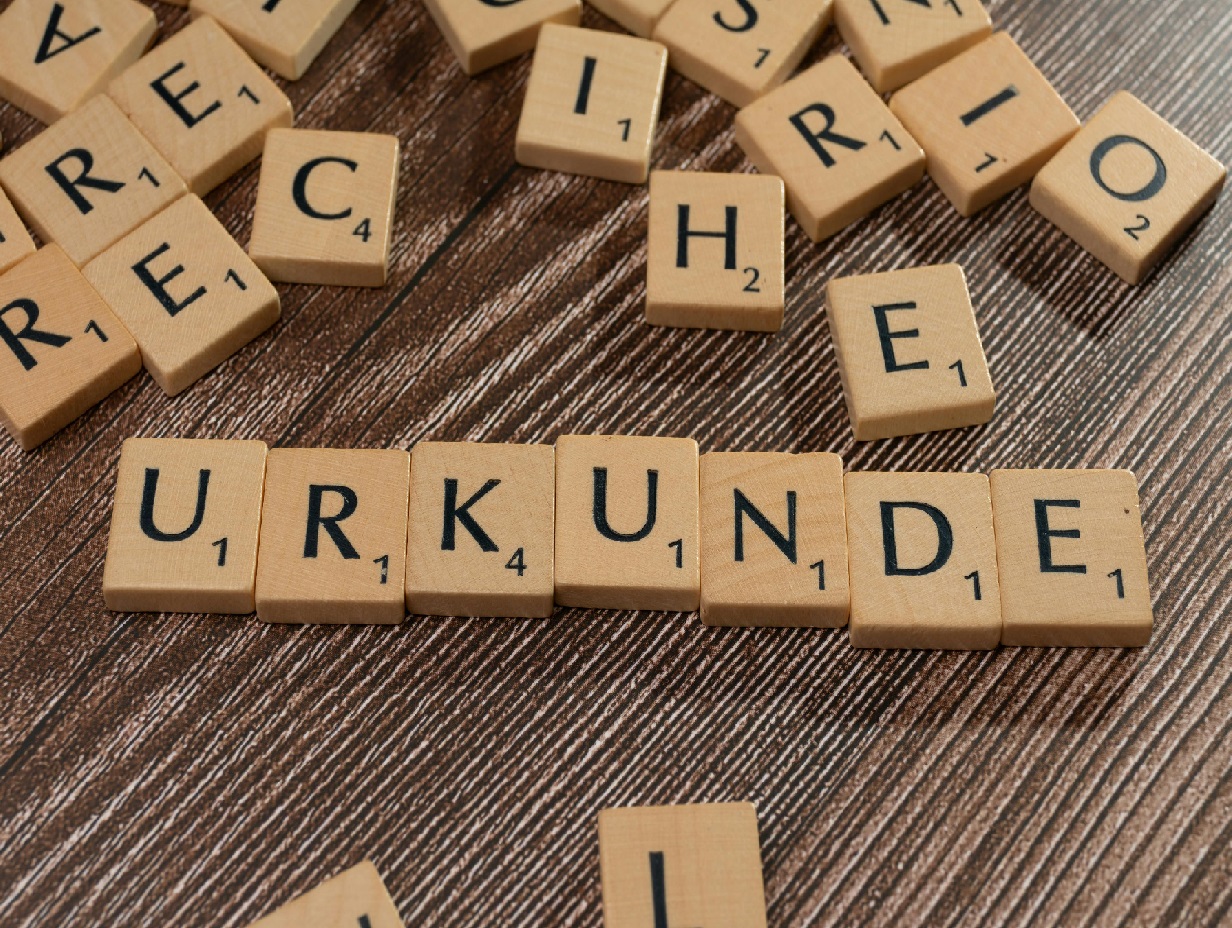
Attestation and certification procedures are crucial for ensuring the authenticity and validity of documents in countries such as Bangladesh and the Netherlands. These processes play a vital role in a wide range of official matters, including education, employment, business transactions, and legal proceedings. In this blog post, we will explore the attestation and certification requirements in both countries and highlight the key differences between the two systems. #### Attestation and Certification in Bangladesh In Bangladesh, the attestation and certification of documents are typically carried out by the Ministry of Foreign Affairs (MOFA) and the respective embassies or consulates of other countries. The process involves verifying the authenticity of documents such as educational certificates, marriage certificates, birth certificates, and commercial documents. This verification is essential for using Bangladeshi documents abroad or foreign documents within the country. To get documents attested in Bangladesh, individuals or organizations usually need to submit the original documents along with photocopies and any required application forms to the relevant authorities. The process can vary depending on the type of document and the country where it will be used. Once the documents are attested by the MOFA and the respective embassy or consulate, they are considered valid for use in the designated country. #### Attestation and Certification in the Netherlands In the Netherlands, the attestation and certification of documents are overseen by various authorities, including the Ministry of Foreign Affairs and the Legalization Office. The process involves verifying the signatures and seals on documents to ensure their authenticity and validity for international use. Dutch documents that need to be used in other countries or foreign documents intended for use in the Netherlands may require attestation or certification. Individuals or organizations seeking document attestation in the Netherlands typically need to present the original documents, copies, and any relevant forms to the appropriate authorities. The process can vary based on the type of document and the country where it will be used. Once the documents are attested or certified, they are considered legally valid and acceptable for international transactions or legal purposes. #### Key Differences between Bangladesh and the Netherlands While the attestation and certification processes in Bangladesh and the Netherlands serve similar purposes, there are some key differences between the two systems. One significant distinction is the specific authorities responsible for overseeing these processes in each country. In Bangladesh, the Ministry of Foreign Affairs plays a central role in document attestation, while in the Netherlands, multiple authorities are involved, depending on the nature of the document and its intended use. Another difference lies in the requirements and procedures for document attestation and certification in the two countries. These can vary based on factors such as the type of document, the issuing authority, and the country of intended use. It is essential for individuals or organizations needing document attestation to familiarize themselves with the specific requirements and processes applicable to their situation. In conclusion, attestation and certification are essential processes for ensuring the validity and authenticity of documents in countries like Bangladesh and the Netherlands. By understanding the specific requirements and procedures involved in these processes, individuals and organizations can navigate the complexities of using official documents for various purposes effectively. Whether obtaining educational certificates, commercial documents, or personal records, proper attestation and certification are key steps in facilitating international transactions and legal proceedings across borders.
Leave a Comment:
SEARCH
Recent News
- Navigating Medical Device Regulations in Zurich, Switzerland
- Zurich, Switzerland and Liechtenstein are two neighboring European countries with distinct regulatory frameworks governing various aspects of society. In this blog post, we will explore some key regulations in Zurich, Switzerland and Liechtenstein that shape the way of life and business in these two unique destinations.
- Zurich, Switzerland: Halal Food Certification
- Zurich, Switzerland: A Closer Look at Food Export-Import Regulations
- Zurich, Switzerland is renowned for its stunning landscapes, vibrant culture, and high quality of life. However, not many people are aware of the city's stringent food and drug regulations that contribute to the overall health and well-being of its residents and visitors.
- Zurich, Switzerland is a beautiful city known for its stunning views, rich history, and vibrant culture. From the picturesque Old Town with its charming cobblestone streets to the crystal-clear waters of Lake Zurich, this city has a lot to offer both residents and visitors.
- Zurich, Switzerland is renowned for its high-quality products and services, which are often attributed to the city's adherence to strict certification standards. These standards ensure that businesses and organizations in Zurich meet certain criteria in terms of quality, safety, and sustainability.
- In today's digital age, YouTube has become a powerful platform for content creators to share their knowledge and expertise with a global audience. One particular niche that has been gaining traction on YouTube is the creation and translation of content related to medical devices regulation.
READ MORE
9 months ago Category :

Navigating Medical Device Regulations in Zurich, Switzerland
Read More →9 months ago Category :

Zurich, Switzerland and Liechtenstein are two neighboring European countries with distinct regulatory frameworks governing various aspects of society. In this blog post, we will explore some key regulations in Zurich, Switzerland and Liechtenstein that shape the way of life and business in these two unique destinations.
Read More →9 months ago Category :

Zurich, Switzerland: Halal Food Certification
Read More →9 months ago Category :
