The Future of Turkey: Blockchain Attestation and Certification
Category : | Sub Category : Posted on 2024-10-05 22:25:23
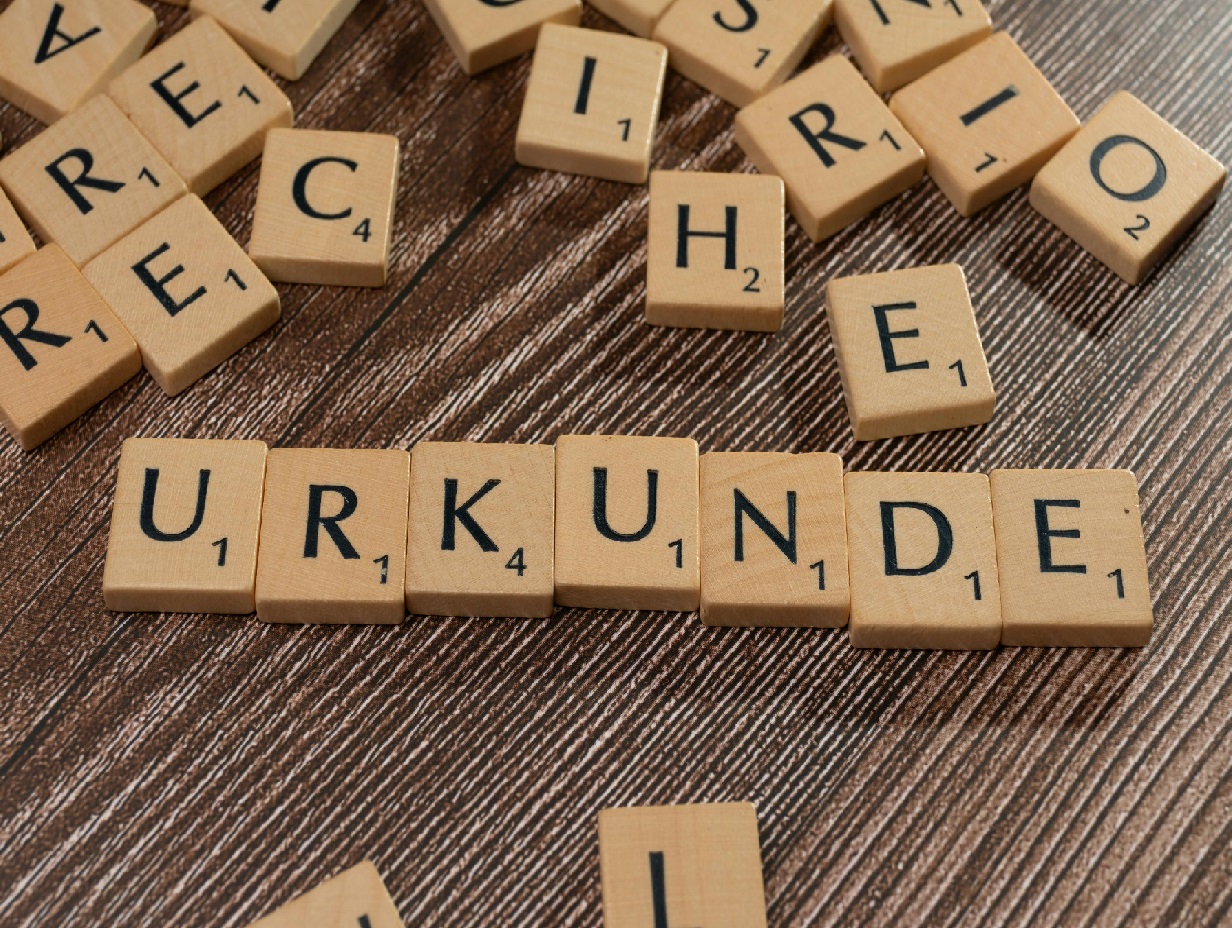
blockchain technology has been making significant strides in various sectors across the globe, and its impact on the future of attestation and certification in Turkey is becoming increasingly apparent. As Turkey looks towards modernizing its systems and joining the digital age, blockchain technology has emerged as a powerful tool that can revolutionize the way documents are authenticated and certified. Attestation and certification play a crucial role in various aspects of daily life, from academic credentials and professional certifications to legal documents and property rights. Traditionally, these processes have been time-consuming, costly, and prone to errors and fraud. However, with the advent of blockchain technology, these challenges can be overcome, paving the way for a more efficient, transparent, and secure system of attestation and certification in Turkey. One of the key advantages of using blockchain for attestation and certification is its decentralized nature. By storing data across a network of computers, blockchain eliminates the need for a central authority, reducing the risk of tampering or manipulation. This decentralized approach ensures that documents are securely recorded and can be verified by all parties involved, providing a high level of trust and transparency. Moreover, blockchain technology offers immutability, meaning that once a document is recorded on the blockchain, it cannot be altered or deleted. This feature ensures the integrity of certificates and attestations, giving them a higher level of credibility and authenticity. In a country like Turkey, where document fraud and falsification have been persistent issues, blockchain can provide a reliable solution to combat such practices and ensure the validity of certifications. Another benefit of using blockchain for attestation and certification is the efficiency it brings to the process. With blockchain, documents can be verified instantaneously, eliminating the need for manual checks and expediting the overall certification process. This not only saves time and resources but also enhances the user experience by providing a seamless and streamlined certification procedure. Looking ahead, the future of attestation and certification in Turkey is undoubtedly intertwined with blockchain technology. By implementing blockchain-based systems for document authentication and verification, Turkey can enhance the reliability, security, and efficiency of its attestation processes, ultimately benefiting individuals, businesses, and the government alike. In conclusion, blockchain attestation and certification represent the future of Turkey, offering a robust and innovative solution to improve the authenticity and validity of documents. By embracing blockchain technology, Turkey can modernize its attestation processes, combat fraud, and enhance trust and transparency in various sectors. As blockchain continues to evolve and revolutionize the way we certify and authenticate information, Turkey stands poised to capitalize on this transformative technology for the betterment of its society and economy.
Leave a Comment:
SEARCH
Recent News
- Navigating Medical Device Regulations in Zurich, Switzerland
- Zurich, Switzerland and Liechtenstein are two neighboring European countries with distinct regulatory frameworks governing various aspects of society. In this blog post, we will explore some key regulations in Zurich, Switzerland and Liechtenstein that shape the way of life and business in these two unique destinations.
- Zurich, Switzerland: Halal Food Certification
- Zurich, Switzerland: A Closer Look at Food Export-Import Regulations
- Zurich, Switzerland is renowned for its stunning landscapes, vibrant culture, and high quality of life. However, not many people are aware of the city's stringent food and drug regulations that contribute to the overall health and well-being of its residents and visitors.
- Zurich, Switzerland is a beautiful city known for its stunning views, rich history, and vibrant culture. From the picturesque Old Town with its charming cobblestone streets to the crystal-clear waters of Lake Zurich, this city has a lot to offer both residents and visitors.
- Zurich, Switzerland is renowned for its high-quality products and services, which are often attributed to the city's adherence to strict certification standards. These standards ensure that businesses and organizations in Zurich meet certain criteria in terms of quality, safety, and sustainability.
- In today's digital age, YouTube has become a powerful platform for content creators to share their knowledge and expertise with a global audience. One particular niche that has been gaining traction on YouTube is the creation and translation of content related to medical devices regulation.
READ MORE
9 months ago Category :

Navigating Medical Device Regulations in Zurich, Switzerland
Read More →9 months ago Category :

Zurich, Switzerland and Liechtenstein are two neighboring European countries with distinct regulatory frameworks governing various aspects of society. In this blog post, we will explore some key regulations in Zurich, Switzerland and Liechtenstein that shape the way of life and business in these two unique destinations.
Read More →9 months ago Category :

Zurich, Switzerland: Halal Food Certification
Read More →9 months ago Category :
