Unpacking the Intersection of Corruption, Religious Power, Attestation, and Certification in the Urdu Community
Category : | Sub Category : Posted on 2024-10-05 22:25:23
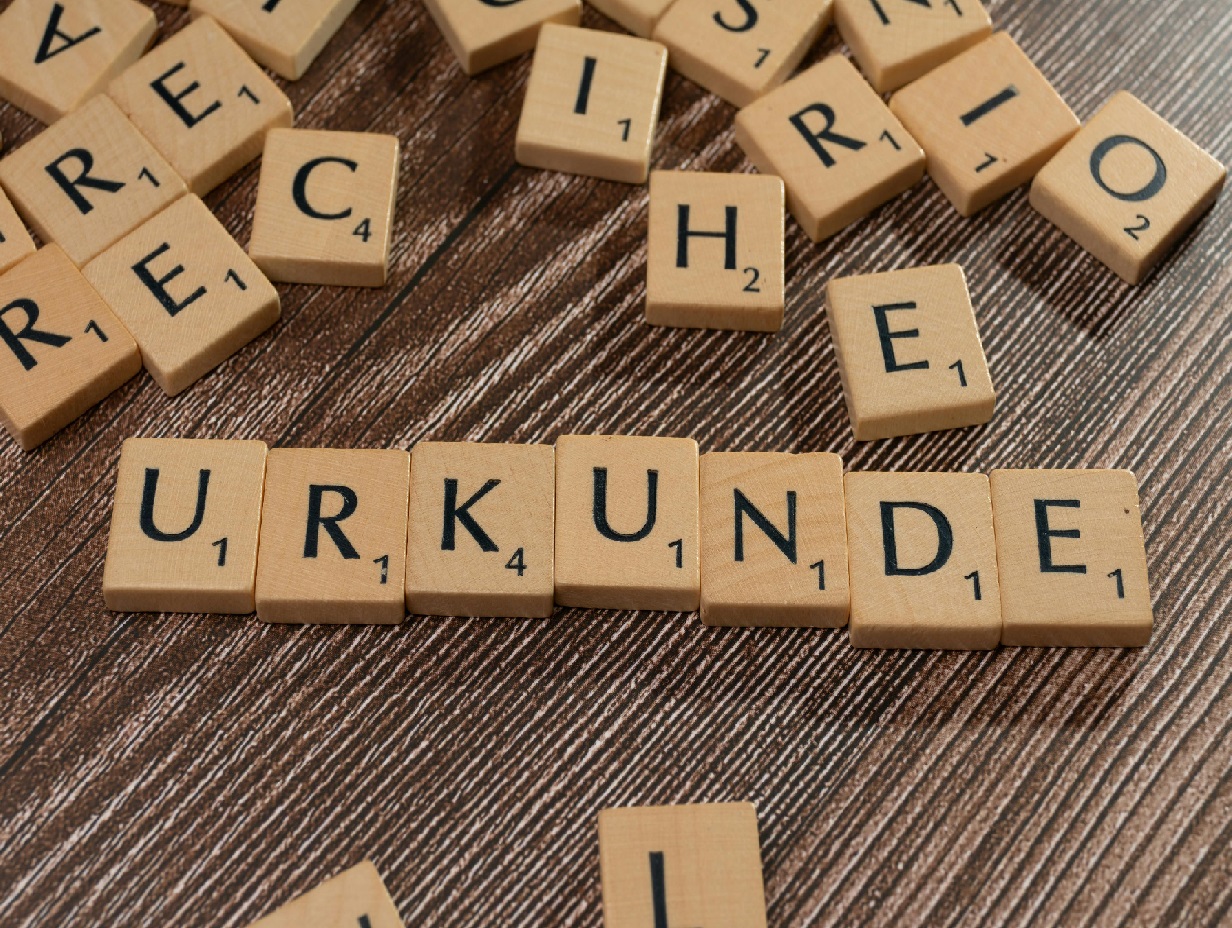
In many societies, the Urdu community stands at a complex crossroads where Corruption, religious power dynamics, attestation, and certification play significant roles in shaping individual experiences and community structures. This intersection manifests in various aspects of life, from the professional realm to personal relationships, profoundly influencing the community's identity and interactions. Corruption within the Urdu community is a pervasive issue that extends across different sectors. Whether it's in the realm of business, government, or social institutions, the influence of corruption can hinder progress, perpetuate inequality, and erode trust within the community. Individuals may find themselves caught in a web of corrupt practices, struggling to navigate systems that prioritize self-interest over the common good. Religious power dynamics also play a crucial role within the Urdu community, shaping beliefs, norms, and social hierarchies. Religious leaders hold considerable influence, guiding community members in matters of faith, morality, and personal conduct. This influence can sometimes be misused, leading to instances of manipulation, exploitation, and the consolidation of power in the hands of a few. Attestation and certification processes add another layer of complexity to the Urdu community's dynamics. From educational qualifications to professional licenses, obtaining attestations and certifications is often a prerequisite for accessing opportunities and resources. However, these processes can be marred by corruption, favoritism, and lack of transparency, making it challenging for individuals to navigate and succeed on a level playing field. Navigating the intersections of corruption, religious power, attestation, and certification within the Urdu community requires a nuanced understanding of the underlying dynamics at play. Empowering community members to hold accountable those who exploit their positions of power, promoting transparency in attestation and certification processes, and fostering a culture of integrity and fairness are essential steps towards building a more equitable and just community. As the Urdu community continues to grapple with these complex issues, it is crucial for individuals, institutions, and community leaders to work together towards creating a more inclusive and ethical environment. By addressing the root causes of corruption, challenging oppressive power dynamics, and upholding the values of integrity and justice, the Urdu community can pave the way for a brighter and more prosperous future for all its members.
https://sunpowerpanels.com
https://religieuse.org
Leave a Comment:
SEARCH
Recent News
- Navigating Medical Device Regulations in Zurich, Switzerland
- Zurich, Switzerland and Liechtenstein are two neighboring European countries with distinct regulatory frameworks governing various aspects of society. In this blog post, we will explore some key regulations in Zurich, Switzerland and Liechtenstein that shape the way of life and business in these two unique destinations.
- Zurich, Switzerland: Halal Food Certification
- Zurich, Switzerland: A Closer Look at Food Export-Import Regulations
- Zurich, Switzerland is renowned for its stunning landscapes, vibrant culture, and high quality of life. However, not many people are aware of the city's stringent food and drug regulations that contribute to the overall health and well-being of its residents and visitors.
- Zurich, Switzerland is a beautiful city known for its stunning views, rich history, and vibrant culture. From the picturesque Old Town with its charming cobblestone streets to the crystal-clear waters of Lake Zurich, this city has a lot to offer both residents and visitors.
- Zurich, Switzerland is renowned for its high-quality products and services, which are often attributed to the city's adherence to strict certification standards. These standards ensure that businesses and organizations in Zurich meet certain criteria in terms of quality, safety, and sustainability.
- In today's digital age, YouTube has become a powerful platform for content creators to share their knowledge and expertise with a global audience. One particular niche that has been gaining traction on YouTube is the creation and translation of content related to medical devices regulation.
READ MORE
11 months ago Category :

Navigating Medical Device Regulations in Zurich, Switzerland
Read More →11 months ago Category :

Zurich, Switzerland and Liechtenstein are two neighboring European countries with distinct regulatory frameworks governing various aspects of society. In this blog post, we will explore some key regulations in Zurich, Switzerland and Liechtenstein that shape the way of life and business in these two unique destinations.
Read More →11 months ago Category :

Zurich, Switzerland: Halal Food Certification
Read More →11 months ago Category :
